What's silk screen printing?
Silk screen printing is a printing technique that uses a mesh screen to transfer ink onto a substrate through open areas defined by a stencil.
Involves creating a design, preparing the screen with a stencil, applying ink, and using a squeegee to force ink through the screen onto the material.
Also known as screen printing, serigraphy, or silk screening.
Traditionally used silk, but now synthetic materials like polyester are common.
Used for printing on fabrics (e.g., T-shirts), paper, plastic, metal, and more; produces vibrant colors and is versatile for various surfaces.
Originated in ancient China, evolved in the 20th century with innovations like photographic stencils.
Silk screen printing, also known as screen printing or serigraphy, is a versatile printing technique that involves transferring ink onto a substrate (such as fabric, paper, plastic, or metal) through a mesh screen. Areas of the screen are blocked off with a stencil, allowing ink to pass only through the open sections to create a design. This method produces vibrant, durable prints with a thick ink layer, making it ideal for applications like T-shirts, posters, promotional items, and art prints.
Design creation: A design is prepared digitally or by hand, often printed onto a transparent film to serve as a stencil.
Screen preparation: A mesh screen (traditionally silk, now usually polyester or nylon) is stretched tightly over a frame. A light-sensitive emulsion is applied, and the stencil is exposed to light to harden the non-design areas, blocking ink passage.
Ink application: Ink is poured onto the screen and spread evenly.
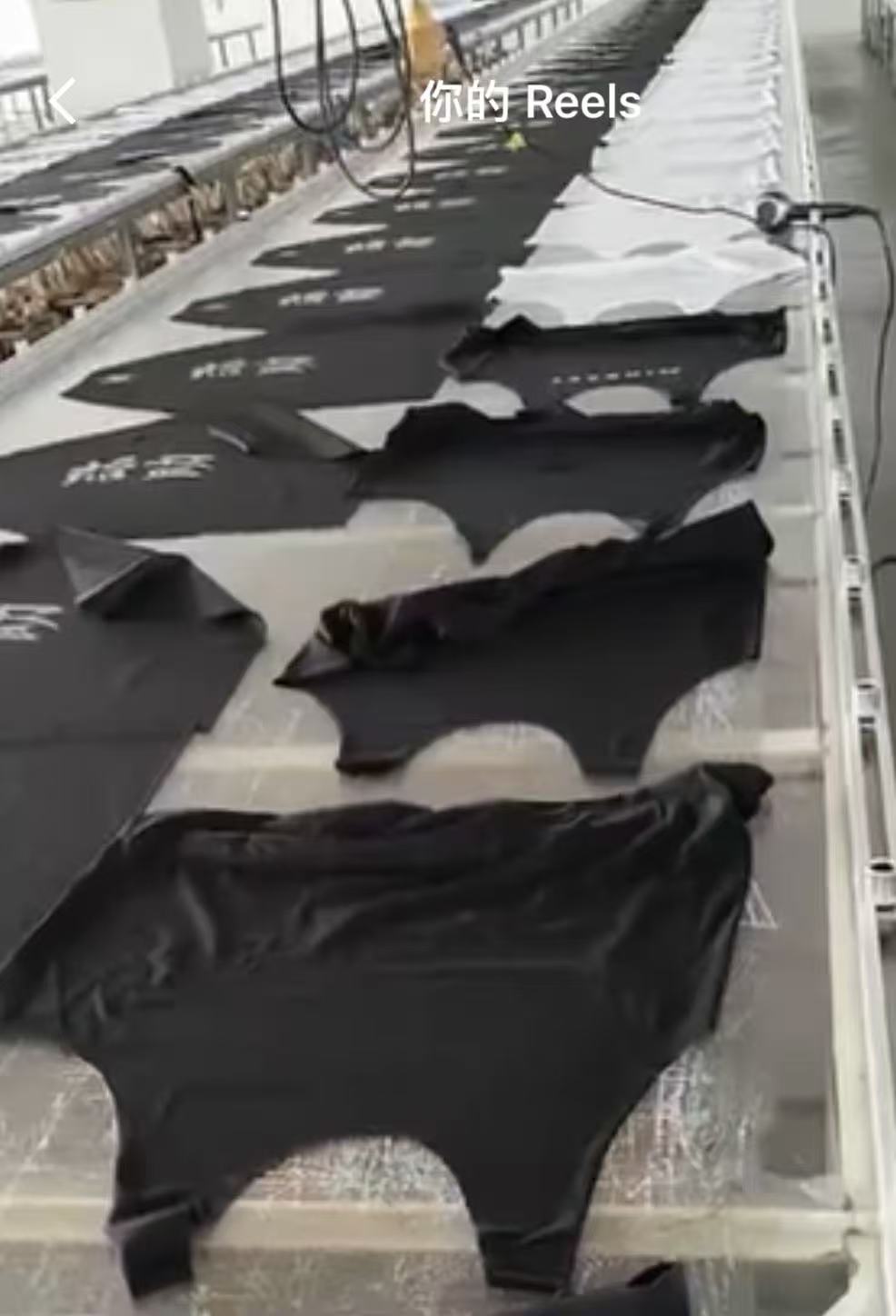
Printing: A squeegee (rubber blade) is used to force the ink through the open mesh areas onto the substrate below.
Why it's popular:
Versatility: Works on flat, curved, or irregular surfaces and various materials.
Durability: Ink layers are thick and opaque, resistant to fading and wear.
Color vibrancy: Supports multiple colors by using separate screens for each hue.
Historical note:
The technique originated in ancient China (around the Song Dynasty) and evolved with innovations like synthetic screens and photographic stencils. It gained widespread use in the 20th century for commercial and artistic purposes, including pop art by figures like Andy Warhol.
This method remains widely used today for both mass production and custom projects due to its reliability and high-quality results.
We are a clothing factory that can custom silk screen printing logo. Http: www.zihongclothing.com
Please feel free to contact us for more details!
Thanks
Kitty