Hello everyone, today we're talking about heat transfer.
Heat transfer printing is a common graphic and text transfer technique. It can transfer patterns onto clothing or other materials through heat pressing. Here are some advantages and disadvantages of heat transfer printing:
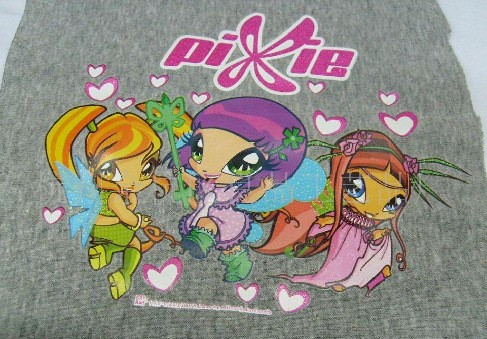
Advantages:
1. Exquisite patterns:
The heat transfer printing technique can create vivid and well-defined patterns, making the products more visually striking and appealing.
2. Widely applied:
The heat transfer printing technique is suitable for various materials such as fabric, leather, plastic, etc., and can meet the needs of different industries and products. It can be applied in various fields such as clothing, shoes and hats, luggage, stationery, etc., providing more creative space for product design.
3. Operation is simple:
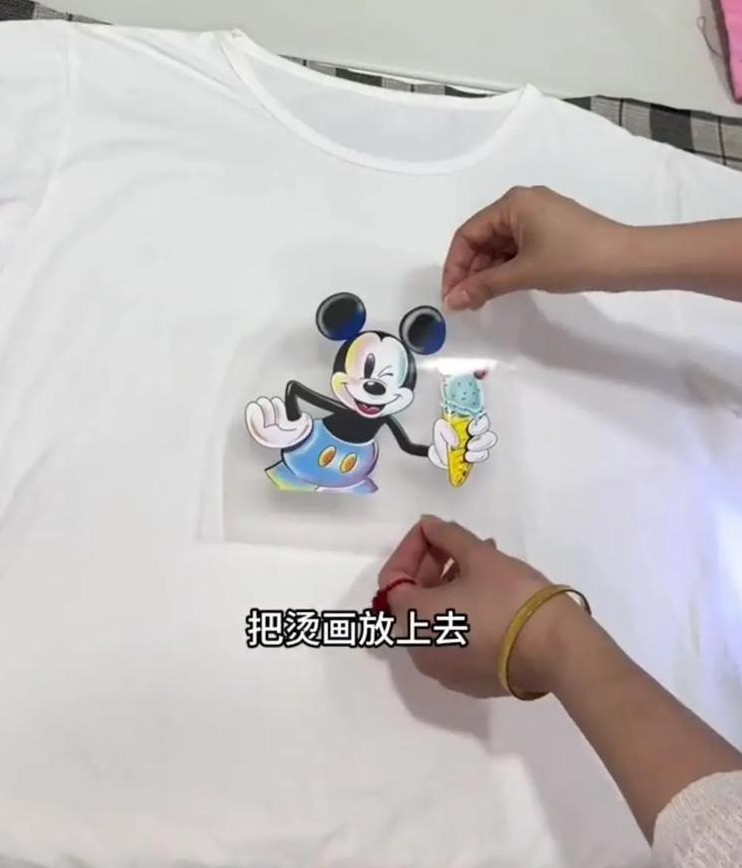
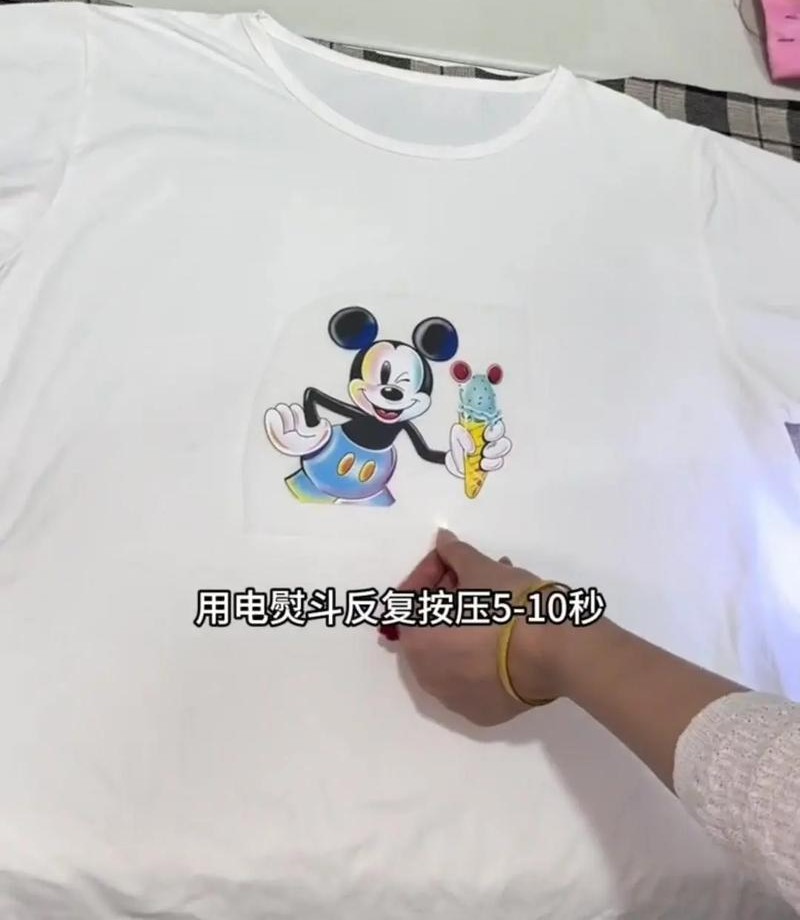
The heat transfer painting process is relatively straightforward, requiring no complex equipment or specialized skills. It is easy to master and operate. The production process has a high degree of automation, which can enhance production efficiency and reduce production costs.
4. Long-lasting and durable:
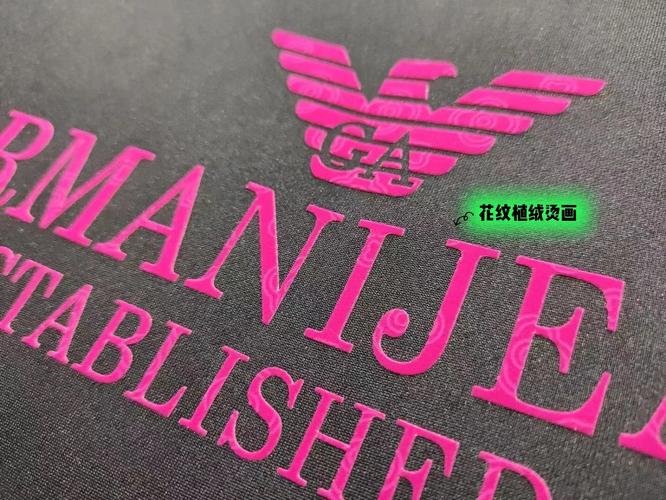
The heat-pressed patterns are firmly bonded to the substrate after being subjected to high-temperature pressing, and are not prone to falling off or fading. It has excellent wear resistance and washability, and can maintain bright colors and intact patterns for a long time.
5. Environmental safety:
The materials used in the stenciling process are mostly environmentally friendly inks and high-temperature films, which are harmless to the human body and comply with environmental protection requirements. During the production process, no harmful substances will be emitted, and it is friendly to the environment.
6. Any colorful patterns can be printed:
Including illustrations, photos and other high-definition patterns can all be printed. Moreover, there are no restrictions on the edges of the patterns, allowing for free creativity. And the complexity of the patterns will not affect the printing cost.
Disadvantages:
1.Higher cost:
Compared with the traditional printing process, the heat transfer painting process requires more materials and equipment investment, resulting in a relatively higher cost.
2. Requirements for materials:
The heat transfer printing process has certain requirements for the texture and thickness of the base material. Not all materials are suitable for heat transfer printing treatment. If the surface of the base material is not smooth or too soft, it may affect the heat transfer printing effect, and even cause the pattern to deform or fall off.
3. Pattern limitations:
Although the heat transfer printing technique can produce exquisite patterns, there may be certain limitations in some complex designs. Extremely fine lines or patterns with many color gradations may require higher technical skills and equipment support to achieve the desired effect.
4. Sticker heat transfer temperature control:
Temperature control during the sticker heat transfer process is of utmost importance. Both excessively high or low temperatures can affect the outcome of the sticker application. An excessively high temperature may cause damage to the substrate or color changes in the pattern, while a low temperature may result in an unstable adhesion of the pattern or its easy detachment.
5. Poor air permeability:
Since the heat transfer printing is based on the principle of transfer printing with transfer paper, there will be a layer of dense gel on it, resulting in poorer air permeability compared to other printing methods.
To sum up, heat transfer is a popular technique that with many advantages and some shortages, we can use it properly.
Welcome to contact us for more information.
Thanks
Kitty Liu
Dongguan Zihong Clothing Co.,Ltd
Web: www.zihongclothing.com
What'app: +86-135-3522-8993
Instagram: @zihongclothing